
kbo-Lech-Mangfall-Klinik Agatharied
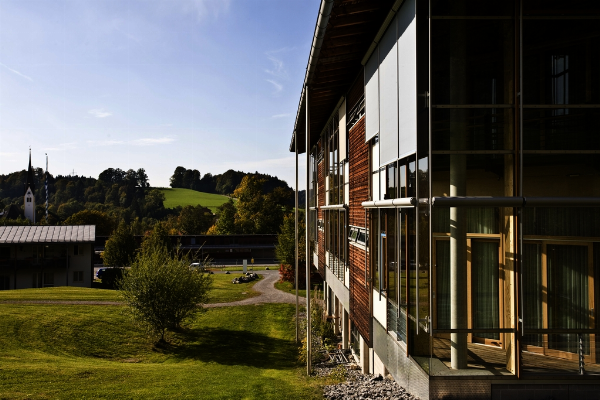
St.-Agatha-Str. 1a
83734 Hausham/Obb.
Phone:
08026-393-7000
Mail:
ed.obk@AGA-KML.kinilk
ed.obk@AGA-KML.kinilk
ed.obk@AGA-KML.kinilk
- Number of beds: 120
- Number of specialist departments: 2
- Number of inpatient cases: 1.401
- Number of partial inpatient cases: 242
- Number of outpatient cases: 2.626
- Number of cases of inpatient-equivalent psychiatric treatment (StäB): 32
- Hospital owners: kbo-Lech-Mangfall-Kliniken gemeinnützige GmbH
- Type of provider: öffentlich
- Academic teaching hospital
- Akademisches Lehrkrankenhaus der Klinik und Poliklinik für Psychiatrie und Psychotherapie der Technischen Universität München
Further information
- External quality assurance according to state law
No participation
- Quality of participation in the Disease Management Programme (DMP)
No participation
- Implementation of the minimum quantity agreement
No participation
- Implementation of resolutions of the Federal Joint Committee on quality assurance (G-BA)
No participation
- Clarifying chat completed: no
- Clarifying chat not completed: no
- No participation in clarifying chat: no
- Notification of non-fulfilment of nursing care not made: no
quarter Q1
Erwachsenenpsychiatrie
| Day shift | ||
|---|---|---|
| Compliance with minimum requirements | no | |
| Level of implementation | 92,0 % | |
| Occupational group | Minimum requirements met | Level of implementation (%) |
| Ärztinnen und Ärzte, ärztliche Psychotherapeutinnen und Psychotherapeuten | ja | 121,79 % |
| Pflegefachpersonen | nein | 84,25 % |
| Psychotherapeutinnen und Psychotherapeuten (ohne ärztliche Psychotherapeutinnen und Psychotherapeuten), Psychologinnen und Psychologen | ja | 104,94 % |
| Spezialtherapeutinnen und Spezialtherapeuten | ja | 95,27 % |
| Bewegungstherapeutinnen und Bewegungstherapeuten, Physiotherapeutinnen und Physiotherapeuten | ja | 95,91 % |
| Sozialarbeiterinnen und Sozialarbeiter, Sozialpädagoginnen und Sozialpädagogen, Heilpädagoginnen und Heilpädagogen | ja | 101,28 % |
| Night shift | ||
| Compliance with minimum requirements | no | |
| Minimum requirement (full-time staff) | 79 | |
| Current staffing levels (full-time staff) | 55 | |
| Number of nights, subject to the minimum requirement | 1 | |
Psychosomatik
| Day shift | ||
|---|---|---|
| Compliance with minimum requirements | yes | |
| Level of implementation | 104,0 % | |
| Occupational group | Minimum requirements met | Level of implementation (%) |
| Ärztinnen und Ärzte, ärztliche Psychotherapeutinnen und Psychotherapeuten | ja | 121,31 % |
| Pflegefachpersonen | ja | 100,27 % |
| Psychotherapeutinnen und Psychotherapeuten (ohne ärztliche Psychotherapeutinnen und Psychotherapeuten), Psychologinnen und Psychologen | ja | 101,93 % |
| Spezialtherapeutinnen und Spezialtherapeuten | ja | 104,68 % |
| Bewegungstherapeutinnen und Bewegungstherapeuten, Physiotherapeutinnen und Physiotherapeuten | ja | 95,44 % |
| Sozialarbeiterinnen und Sozialarbeiter, Sozialpädagoginnen und Sozialpädagogen, Heilpädagoginnen und Heilpädagogen | ja | 100,27 % |
quarter Q2
Erwachsenenpsychiatrie
| Day shift | ||
|---|---|---|
| Compliance with minimum requirements | no | |
| Level of implementation | 98,0 % | |
| Occupational group | Minimum requirements met | Level of implementation (%) |
| Ärztinnen und Ärzte, ärztliche Psychotherapeutinnen und Psychotherapeuten | ja | 108,88 % |
| Pflegefachpersonen | ja | 96,52 % |
| Psychotherapeutinnen und Psychotherapeuten (ohne ärztliche Psychotherapeutinnen und Psychotherapeuten), Psychologinnen und Psychologen | ja | 111,44 % |
| Spezialtherapeutinnen und Spezialtherapeuten | nein | 86,08 % |
| Bewegungstherapeutinnen und Bewegungstherapeuten, Physiotherapeutinnen und Physiotherapeuten | nein | 70,69 % |
| Sozialarbeiterinnen und Sozialarbeiter, Sozialpädagoginnen und Sozialpädagogen, Heilpädagoginnen und Heilpädagogen | ja | 106,26 % |
| Night shift | ||
| Compliance with minimum requirements | no | |
| Minimum requirement (full-time staff) | 79 | |
| Current staffing levels (full-time staff) | 57 | |
| Number of nights, subject to the minimum requirement | 1 | |
Psychosomatik
| Day shift | ||
|---|---|---|
| Compliance with minimum requirements | no | |
| Level of implementation | 99,0 % | |
| Occupational group | Minimum requirements met | Level of implementation (%) |
| Ärztinnen und Ärzte, ärztliche Psychotherapeutinnen und Psychotherapeuten | ja | 103,19 % |
| Pflegefachpersonen | ja | 100,98 % |
| Psychotherapeutinnen und Psychotherapeuten (ohne ärztliche Psychotherapeutinnen und Psychotherapeuten), Psychologinnen und Psychologen | ja | 108,07 % |
| Spezialtherapeutinnen und Spezialtherapeuten | nein | 87,17 % |
| Bewegungstherapeutinnen und Bewegungstherapeuten, Physiotherapeutinnen und Physiotherapeuten | nein | 71,58 % |
| Sozialarbeiterinnen und Sozialarbeiter, Sozialpädagoginnen und Sozialpädagogen, Heilpädagoginnen und Heilpädagogen | ja | 106,69 % |
quarter Q3
Erwachsenenpsychiatrie
| Day shift | ||
|---|---|---|
| Compliance with minimum requirements | yes | |
| Level of implementation | 94,0 % | |
| Occupational group | Minimum requirements met | Level of implementation (%) |
| Ärztinnen und Ärzte, ärztliche Psychotherapeutinnen und Psychotherapeuten | ja | 100,75 % |
| Pflegefachpersonen | ja | 92,04 % |
| Psychotherapeutinnen und Psychotherapeuten (ohne ärztliche Psychotherapeutinnen und Psychotherapeuten), Psychologinnen und Psychologen | ja | 104,59 % |
| Spezialtherapeutinnen und Spezialtherapeuten | ja | 90,29 % |
| Bewegungstherapeutinnen und Bewegungstherapeuten, Physiotherapeutinnen und Physiotherapeuten | ja | 91,99 % |
| Sozialarbeiterinnen und Sozialarbeiter, Sozialpädagoginnen und Sozialpädagogen, Heilpädagoginnen und Heilpädagogen | ja | 102,73 % |
| Night shift | ||
| Compliance with minimum requirements | no | |
| Minimum requirement (full-time staff) | 79 | |
| Current staffing levels (full-time staff) | 66 | |
| Number of nights, subject to the minimum requirement | 0 | |
Psychosomatik
| Day shift | ||
|---|---|---|
| Compliance with minimum requirements | yes | |
| Level of implementation | 95,0 % | |
| Occupational group | Minimum requirements met | Level of implementation (%) |
| Ärztinnen und Ärzte, ärztliche Psychotherapeutinnen und Psychotherapeuten | ja | 96,4 % |
| Pflegefachpersonen | ja | 94,6 % |
| Psychotherapeutinnen und Psychotherapeuten (ohne ärztliche Psychotherapeutinnen und Psychotherapeuten), Psychologinnen und Psychologen | ja | 95,92 % |
| Spezialtherapeutinnen und Spezialtherapeuten | ja | 92,58 % |
| Bewegungstherapeutinnen und Bewegungstherapeuten, Physiotherapeutinnen und Physiotherapeuten | ja | 92,06 % |
| Sozialarbeiterinnen und Sozialarbeiter, Sozialpädagoginnen und Sozialpädagogen, Heilpädagoginnen und Heilpädagogen | ja | 103,13 % |
quarter Q4
Erwachsenenpsychiatrie
| Day shift | ||
|---|---|---|
| Compliance with minimum requirements | yes | |
| Level of implementation | 95,0 % | |
| Occupational group | Minimum requirements met | Level of implementation (%) |
| Ärztinnen und Ärzte, ärztliche Psychotherapeutinnen und Psychotherapeuten | ja | 113,68 % |
| Pflegefachpersonen | ja | 91,11 % |
| Psychotherapeutinnen und Psychotherapeuten (ohne ärztliche Psychotherapeutinnen und Psychotherapeuten), Psychologinnen und Psychologen | ja | 117,38 % |
| Spezialtherapeutinnen und Spezialtherapeuten | ja | 91,66 % |
| Bewegungstherapeutinnen und Bewegungstherapeuten, Physiotherapeutinnen und Physiotherapeuten | ja | 95,78 % |
| Sozialarbeiterinnen und Sozialarbeiter, Sozialpädagoginnen und Sozialpädagogen, Heilpädagoginnen und Heilpädagogen | ja | 91,21 % |
| Night shift | ||
| Compliance with minimum requirements | no | |
| Minimum requirement (full-time staff) | 79 | |
| Current staffing levels (full-time staff) | 63 | |
| Number of nights, subject to the minimum requirement | 0 | |
Psychosomatik
| Day shift | ||
|---|---|---|
| Compliance with minimum requirements | yes | |
| Level of implementation | 98,0 % | |
| Occupational group | Minimum requirements met | Level of implementation (%) |
| Ärztinnen und Ärzte, ärztliche Psychotherapeutinnen und Psychotherapeuten | ja | 114,55 % |
| Pflegefachpersonen | ja | 91,33 % |
| Psychotherapeutinnen und Psychotherapeuten (ohne ärztliche Psychotherapeutinnen und Psychotherapeuten), Psychologinnen und Psychologen | ja | 119,4 % |
| Spezialtherapeutinnen und Spezialtherapeuten | ja | 90,5 % |
| Bewegungstherapeutinnen und Bewegungstherapeuten, Physiotherapeutinnen und Physiotherapeuten | ja | 91,67 % |
| Sozialarbeiterinnen und Sozialarbeiter, Sozialpädagoginnen und Sozialpädagogen, Heilpädagoginnen und Heilpädagogen | ja | 92,59 % |
| Number | Group |
|---|---|
| 13 | Medical specialists (m/f) , psychological psychotherapists (m/f) and child and adolescent psychotherapists (m/f) who are subject to the obligation to undergo further training* |
| 1 | Number of medical specialists (m/f) from no. 1 who have completed a five-year period of further training and are therefore subject to the obligation to provide evidence |
| 1 | Number of those persons from no. 2 who have provided proof of further training according to Article 3 of the G-BA regulations |
According to Section 4 (2) of the Quality Management Guideline, facilities must provide for the prevention of and intervention in cases of violence and abuse as part of their internal quality management. The aim is to prevent, recognise and respond appropriately to abuse and violence, particularly against vulnerable patient groups such as children and adolescents or people in need of help, and also to prevent it within the facility. The respective procedure is aligned with the size of the facility, the range of services and the patients in order to define customised solutions for sensitising the teams as well as other suitable preventative and interventional measures. These may include information materials, contact addresses, training/education, codes of conduct, recommendations for action/intervention plans or comprehensive protection concepts.
- Is a protection concept in place? Yes
- No care for children and young people
- Drug commission
Training of employees on AMTS related topics
Availability of appropriate, topic-specific informational materials for patients on AMTS e.g. for chronic diseases, for high-risk drugs, for children
Aufnahmebogen Arzt
13.01.2024
Electronic support for the admission and anamnesis process (e.g. import of patient master data or medication plans, use of a drug knowledge database, input screen for drugs or anamnesis information)
Possibility of electronic prescription i.e. structured entry of active substances (or name of the preparation), form, dose, dose frequency (e.g. in the HIS, in prescription software)
Provision of one or more electronic drug information systems (e.g. Lauer-Taxe®, ifap klinikCenter®, Gelbe Liste®, Fachinfo-Service®)
- Bereitstellung einer geeigneten Infrastruktur zur Sicherstellung einer fehlerfreien Zubereitung
- Anwendung von gebrauchsfertigen Arzneimitteln bzw. Zubereitungen
- Vorhandensein von elektronischen Systemen zur Entscheidungsunterstützung (z.B. Meona®, Rpdoc®, AIDKlinik®, ID Medics® bzw. ID Diacos® Pharma)
- Elektronische Datenübermittlung der Medikamentenbestellungen an Apotheke.
Electronic documentation of the administration of drugs
- Fallbesprechungen
- Maßnahmen zur Vermeidung von Arzneimittelverwechslung
- Spezielle AMTS-Visiten (z. B. pharmazeutische Visiten, antibiotic stewardship, Ernährung)
- Aushändigung von arzneimittelbezogenen Informationen für die Weiterbehandlung und Anschlussversorgung der Patientin oder des Patienten im Rahmen eines (ggf. vorläufigen) Entlassbriefs
- Aushändigung des Medikationsplans
- bei Bedarf Arzneimittel-Mitgabe oder Ausstellung von Entlassrezepten
- Admission to hospital, including anamnesis
; Instruments and measures are presented for determining the old medication (drug history), the subsequent clinical assessment and the switch to the medication available in the hospital (house list), as well as for documenting both the patient's original medication and that for hospital treatment adapted medication.
- Medication process in the hospital
In this context, the following sub-processes are assumed as examples: drug history - prescription - patient information - drug delivery - drug use - documentation - therapy monitoring - result assessment. Instruments and measures for safe medication prescription can be presented, e.g. B. in terms of readability, clarity and completeness of the documentation, but also in terms of area of application, effectiveness, benefit-risk ratio, tolerability (including potential contraindications, interactions, etc.) and resource considerations. Information can also be provided to support reliable medication ordering, delivery and use or administration.
- Discharge
In particular, the measures taken by hospitals can be presented to ensure that information on drug therapy is structured and passed on to doctors and physicians providing further treatment, as well as the appropriate provision of patients with drug information, medication plans and medications. Drug prescriptions are made.
Job
FL04 - Project-related cooperation with colleges and universities
Explanation
Explanation
Dozentur an der Universität Regensburg
Explanation
Akademisches Lehrkrankenhaus der technischen Universität München
FL09 - Doctoral supervision
Explanation
Training in other healing professions
Comment
Wir bieten Ausbildungsplätze, in Kooperation mit den Berufsschulen zur generalistischen Pflegeausbildung an den angegliederten somatischen Krankenhäusern, an.
- Hospital staff
- Explanations: Versorgung durch externe Apotheke des kbo-Isar-Amper-Klinikums Haar mit Austauschmöglichkeit bei Fragen.
Claudia Kiesewetter
Patientenfürsprecherin
St.-Agatha-Str. 1a
83734 Hausham/Obb.
Phone:
08026
-393-4065
Mail:
ed.obk@retteweseik.aidualc
Elke Sellmann-Schmidt
Qualitätsmanagementbeauftragte
St.-Agatha-Str. 1a
83734 Hausham/Obb.
Phone:
08191
-333-2947
Mail:
ed.obk@nnamlles.ekle
Elke Sellmann-Schmidt
Qualitätsmanagementbeauftragte
St.-Agatha-Str. 1a
83734 Hausham/Obb.
Phone:
08191
-333-2947
Mail:
ed.obk@nnamlles.ekle
Dr. Monika Singer
Oberärztin
St.-Agatha-Str. 1a
83734 Hausham/Obb.
Phone:
08026
-393-4521
Mail:
ed.obk@regnis.akinom
kbo-LMK AGA Sozialdienst
Sozialdienst
St.-Agatha-Str. 1a
83734 Hausham/Obb.
Phone:
08026
-393-3222
Mail:
ed.obk@AGA-KML.eirtaihcysP-tairaterkeS
83734 Hausham/Obb.
Phone:
08026-393-7000
Mail:
ed.obk@AGA-KML.kinilk
Christina Kießling
Pflegedirektorin kbo-Lech-Mangfall-Kliniken gGmbH
St.-Agatha-Str. 1a
83734 Hausham/Obb.
Phone:
08026
-393-7000
Mail:
ed.obk@gnilsseik.anitsirhc
Andrea Gebauer
Kaufmännische Leitung kbo-Lech-Mangfall-Kliniken gGmbH
St.-Agatha-Str. 1a
83734 Hausham/Obb.
Phone:
08026
-393-7000
Mail:
ed.obk@reuabeg.aerdna
Katharina Kopiecny
Geschäftsführung
St.-Agatha-Str. 1a
83734 Hausham/Obb.
Phone:
08821
-77-6000
Mail:
ed.obk@ynceipok.anirahtak
Prof. Dr. Michael Landgrebe
Chefarzt
St.-Agatha-Str. 1a
83734 Hausham/Obb.
Phone:
08026
-393-4555
Mail:
ed.obk@ebergdnal.leahcim
IK: 260913890
Location number: 771346000